
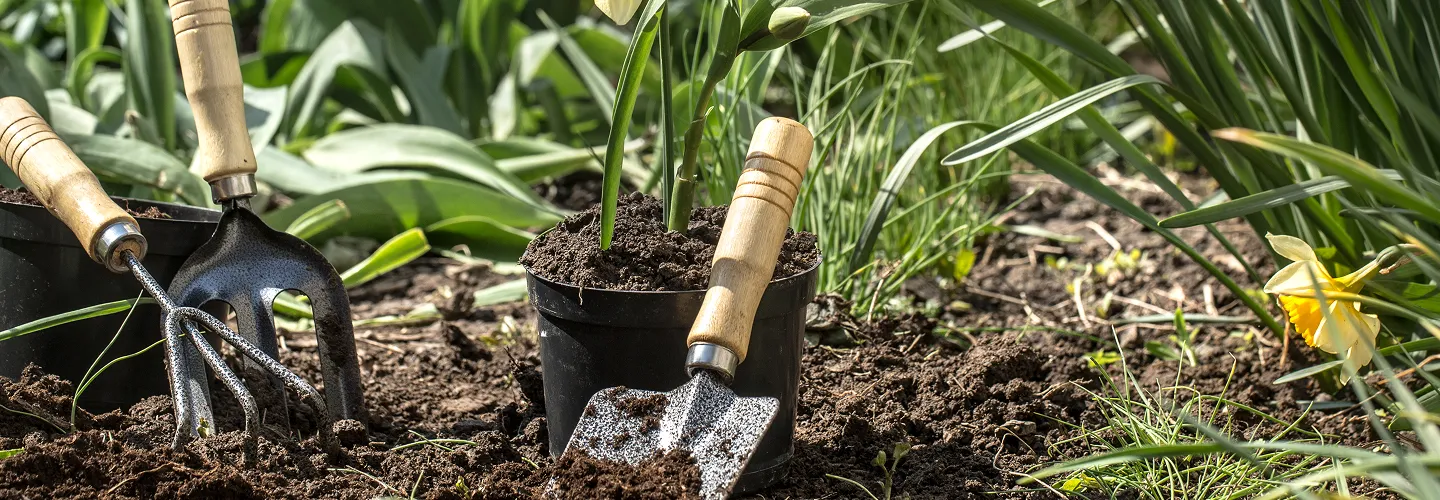
Metter Flower Planting Services
Choose our flower planting services for vibrant, expertly arranged blooms that enhance your curb appeal and bring lasting beauty to your outdoor spaces—crafted with care by our passionate horticulturists.
Get a Free QuoteOur Metter Landscaping & Yard Care Services
When to Schedule Flower Planting in Metter, Georgia – Seasonal Guide
In Metter, Georgia, timing your flower planting is crucial for vibrant, long-lasting blooms. The region’s humid subtropical climate means that spring and early fall are generally the best seasons for planting, as these periods offer moderate temperatures and reliable rainfall. Local neighborhoods like Willow Lake and the area surrounding Guido Gardens often see residents preparing their beds in late March to early April, just after the last frost date, which typically falls in mid-March. Planting too early can expose tender flowers to unexpected cold snaps, while waiting too late may subject new plantings to the intense summer heat and drought risk common in Candler County.
Metter’s landscape features a mix of sandy loam soils and shaded lots, especially near the Canoochee River and around Metter Elementary School. These conditions, combined with variable shade coverage from mature oaks and pines, influence both the selection of flower varieties and the optimal planting window. Homeowners should also be mindful of municipal guidelines and local watering restrictions, which can be found on the city’s official website, to ensure compliance and promote sustainable gardening practices.
Local Factors to Consider for Flower Planting in Metter
- Proximity to mature trees and resulting shade coverage
- Soil type (sandy loam is common, but some areas may have clay)
- Average precipitation and risk of summer drought
- Frost dates (typically mid-March for last frost)
- Terrain and drainage, especially in low-lying neighborhoods
- Municipal watering restrictions and planting guidelines
Benefits of Flower Planting in Metter

Enhanced Curb Appeal
Increased Property Value
Expert Plant Selection
Seasonal Color Variety
Low-Maintenance Solutions
Eco-Friendly Landscaping

Metter Flower Planting Types

Perennial Flower Beds
-
Annual Flower Displays
-
Mixed Border Plantings
-
Wildflower Meadows
-
Container Flower Gardens
-
Shade Garden Plantings
-
Pollinator-Friendly Gardens
Our Flower Planting Process
Site Evaluation
Soil Preparation
Plant Selection
Careful Planting
Watering and Mulching
Why Choose Metter Landscape Services
-
Metter Homeowners Trust Us
-
Expert Lawn Maintenance
-
Reliable Scheduling
-
Competitive Pricing
-
Professional Team
-
Satisfaction Guarantee
-
Personalized Service
Metter's Coastal Plain Sandy Soils and Their Impact on Flower Bed Preparation
Metter sits within Georgia's Coastal Plain region in USDA Hardiness Zone 8b, where predominant soil series such as Tifton, Leefield, and Pelham present distinct challenges for flower planting. These sandy, acidic soils—often registering a pH between 4.5 and 5.8—drain rapidly, which limits nutrient retention and moisture availability for newly installed annuals and perennials. Before planting, property owners should conduct a soil test through the UGA Cooperative Extension Candler County office to determine precise pH and nutrient deficiencies. Key bed preparation steps for Metter's soils include:
- Incorporating 2–4 inches of composted organic matter to improve water-holding capacity
- Applying pelletized lime at rates guided by soil test results to raise pH toward the 6.0–6.5 range preferred by most flowering species
- Amending beds to a depth of 8–10 inches to encourage root establishment in fast-draining substrates
- Avoiding excessive tilling that accelerates organic matter decomposition in warm, humid conditions
Soil data for Candler County parcels can be verified through the USDA Web Soil Survey.
Optimal Flower Planting Windows for Metter's Extended Growing Season
Metter's long, warm growing season—with average last spring frost dates near mid-March and first fall frost dates in mid-November—provides approximately 240 frost-free days annually. This extended window allows for multiple planting cycles, but timing remains critical for establishment success. The National Weather Service Charleston, SC forecast office covers the Metter area and provides localized frost advisories. Recommended planting windows include:
- Cool-season annuals (pansies, snapdragons, dianthus): Install from late October through early November for winter and early spring color, or in late February for spring display
- Warm-season annuals (zinnias, lantana, pentas, vinca): Plant after soil temperatures consistently exceed 65°F, typically mid-April through May
- Perennials (coneflower, salvia, daylily, coreopsis): Establish in early spring (March–April) or early fall (September–October) to allow root development before temperature extremes
- Summer bulbs (caladium, gladiolus): Install after soil reaches 70°F, generally late April in Metter
Residents should monitor local conditions rather than relying solely on calendar dates, as Metter's Coastal Plain microclimate can shift frost timing by one to two weeks in any given year.
How Metter's Tree Board and Urban Forestry Initiatives Relate to Flower Planting
Property owners planning flower installations near established trees or within public right-of-way areas should be aware of the Metter Tree Board's role in urban forestry oversight. The Tree Board provides guidance on tree preservation, landscaping initiatives, and community green space management. When flower beds are installed beneath or adjacent to mature canopy trees, root zone disturbance, grade changes, and soil compaction can compromise tree health. Residents should observe the following practices:
- Avoid excavating deeper than 3–4 inches within the drip line of protected or significant trees
- Use raised bed or layered mulch-and-soil approaches rather than deep tilling near root zones
- Select shade-tolerant species such as impatiens, begonias, caladiums, or hostas for beds under dense canopy
- Refrain from mounding soil or mulch against tree trunks, maintaining a 3–6 inch clearance from the trunk flare
For projects on city-maintained property or within designated green spaces, coordinate with the Tree Board before beginning bed installation. Property owners with questions about landscaping near street trees or public plantings should contact the appropriate municipal office.
Metter Tree Board
14 South Rountree Street, Metter, GA 30439
Phone: (912) 685-2527
Official Website: Metter Tree Board
Protecting Metter's Drainage Infrastructure During Flower Bed Installation and Maintenance
Flower planting projects that involve soil disturbance, mulch application, or fertilizer use near stormwater conveyances require careful management to prevent sediment and nutrient runoff. Metter's relatively flat topography and sandy soils can channel loose material toward roadside ditches, storm drains, and downstream waterways during heavy rainfall events common from June through September. The Georgia EPD Watershed Protection Branch oversees water quality standards that apply to all municipalities, including requirements under the Clean Water Act. Practical measures for Metter property owners include:
- Applying mulch in layers no thicker than 2–3 inches to reduce washout potential
- Using slow-release or organic fertilizers rather than water-soluble formulations that leach quickly through sandy soils
- Installing temporary silt barriers or straw wattles around newly disturbed beds adjacent to ditches or drainage swales
- Sweeping excess soil, mulch, or fertilizer granules from sidewalks, driveways, and curb lines promptly after application
The Metter Public Works Department maintains city drainage infrastructure and can provide guidance on setback expectations near municipal stormwater features. Verify current requirements before beginning large-scale bed installations near drainage easements.
Metter Public Works Department
14 South Rountree Street, Metter, GA 30439
Phone: (912) 685-2527
Official Website: Metter Public Works Department
Navigating Metter's Building and Zoning Requirements for Large-Scale Planting Projects
While routine residential flower planting typically does not require a permit, larger-scale projects—such as commercial landscape installations, raised bed construction involving retaining walls, or plantings within zoning setback areas—may trigger review through the Metter Building and Zoning Department. Property owners and managers should verify compliance with the Metter Code of Ordinances before undertaking projects that involve:
- Structural elements such as masonry planters, retaining walls exceeding certain height thresholds, or permanent irrigation system installation
- Modifications within front-yard setback zones or utility easements that could affect sightlines or infrastructure access
- Commercial or multi-family property landscaping that must meet site plan or zoning approval conditions
- Plantings along public right-of-way frontage, where city standards for visibility and maintenance may apply
The Metter Planning Commission reviews land use and development proposals that include landscaping components as part of site plan approval. Confirm current thresholds and submission requirements directly with the Building and Zoning Department before beginning work.
Metter Building and Zoning Department
14 South Rountree Street, Metter, GA 30439
Phone: (912) 685-2527
Official Website: Metter Building and Zoning Department
What Neighborhoods Do We Serve Throughout Metter, GA?
- Downtown Metter Historic Core: Older residential lots near South Rountree Street and the courthouse area often feature mature shade trees, compacted soils from decades of development, and smaller planting areas requiring shade-tolerant flower selections and careful root zone management.
- North Metter / Highway 121 Corridor: Properties along and adjacent to the northern approach feature mixed sun exposure and sandy, well-drained soils suited to heat-tolerant annuals such as lantana, vinca, and zinnias with minimal irrigation supplementation.
- South Metter Residential Areas: Neighborhoods south of the downtown core include mid-century homes with established landscapes, where flower bed renovation often requires organic matter amendment and pH correction in acidic sandy loam soils.
- Cypress Lake and Eastern Subdivisions: Newer residential developments east of the city center present open-lot conditions with full sun exposure and minimal existing canopy, ideal for warm-season color beds but requiring mulch and irrigation planning for summer heat.
- West Metter / Industrial Park Vicinity: Properties near the western commercial corridor may encounter compacted fill soils and limited topsoil depth, necessitating raised bed construction or deeper soil amendment before flower installation.
- Metter-Candler County Recreation Areas: Residential properties adjacent to Metter-Candler County Parks and Recreation facilities benefit from proximity to green space but should manage runoff from flower beds to protect shared drainage and recreational turf areas.